
Building an Autonomous Lead Generation Machine on Gumroad
When most creators and developers think of Gumroad, they picture a simple overlay checkout for selling digital downloads, PDFs, or software licenses. It is famously known for getting out of the way and letting people buy.
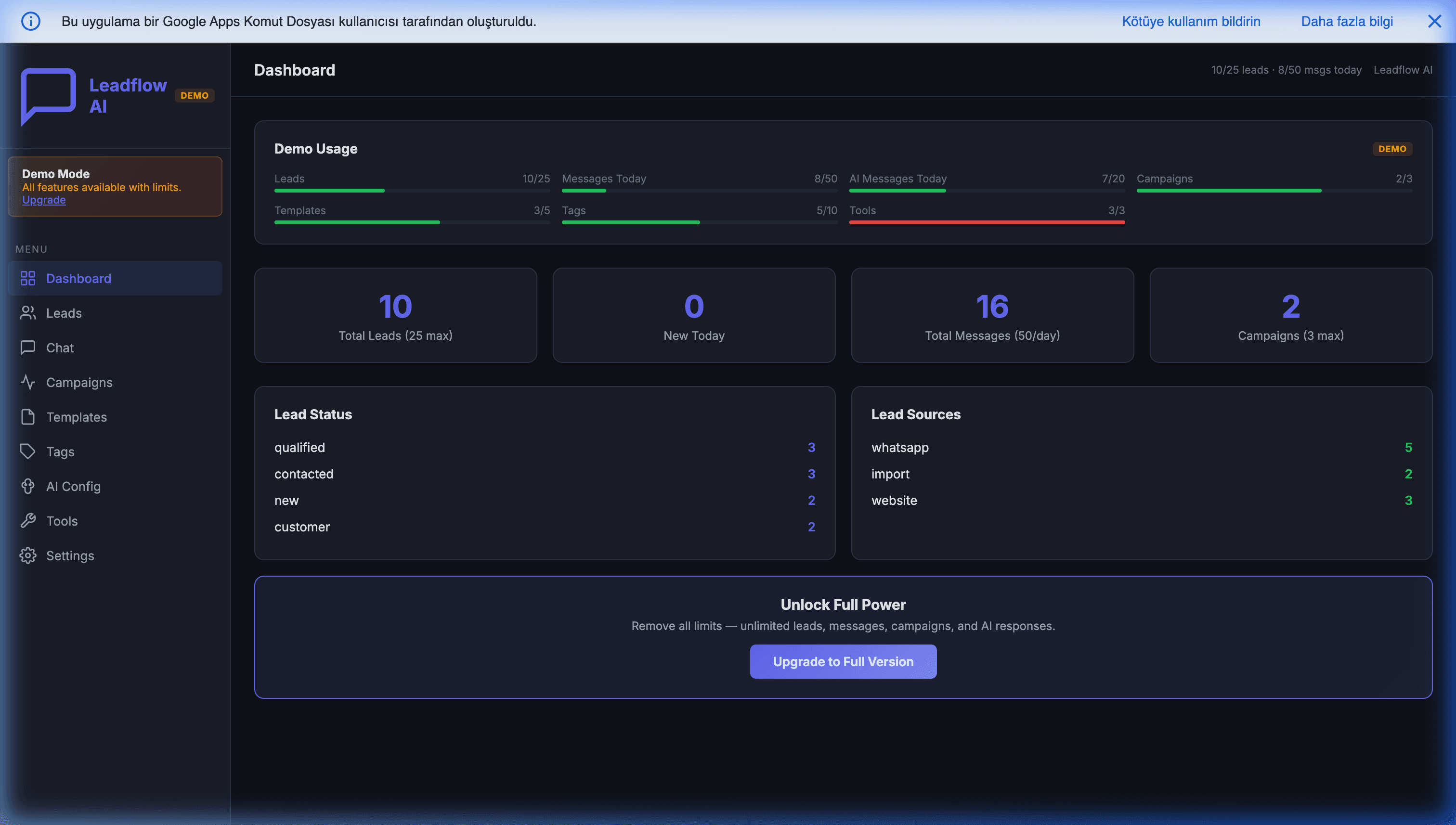
However, treating Gumroad merely as a payment processor is leaving massive commercial potential on the table. By leveraging Gumroad's Webhooks ("Ping") and License API, you can transform a standard checkout flow into a completely autonomous, high-converting B2B lead generation machine.
This post covers the micro-commitment funnel logic, the Ping-to-Apps-Script pipeline, the upsell sequence architecture, and the common pitfalls that kill these setups.
The Problem with Traditional Funnels
In a standard B2B setup, acquiring a lead involves a labyrinth of friction:
- The prospect clicks an ad.
- They are forced to fill out an exhaustive 8-field "Request a Demo" form.
- They wait 48 hours for a Sales Development Rep (SDR) to email them.
- They finally attend a boring Zoom meeting.
- Only then does money potentially change hands.
By the time the transaction happens, the customer has lost their impulse-buying momentum. Conversion from ad-click to closed deal in this funnel is typically 0.1-0.5%. The SDR cost per closed deal is punishing. The customer experience is friction-heavy.
The Gumroad "Micro-Commitment" Funnel
Instead of asking for a high-friction meeting, you offer a low-cost or hyper-valuable digital product via a seamless Gumroad checkout. This is the Micro-Commitment.
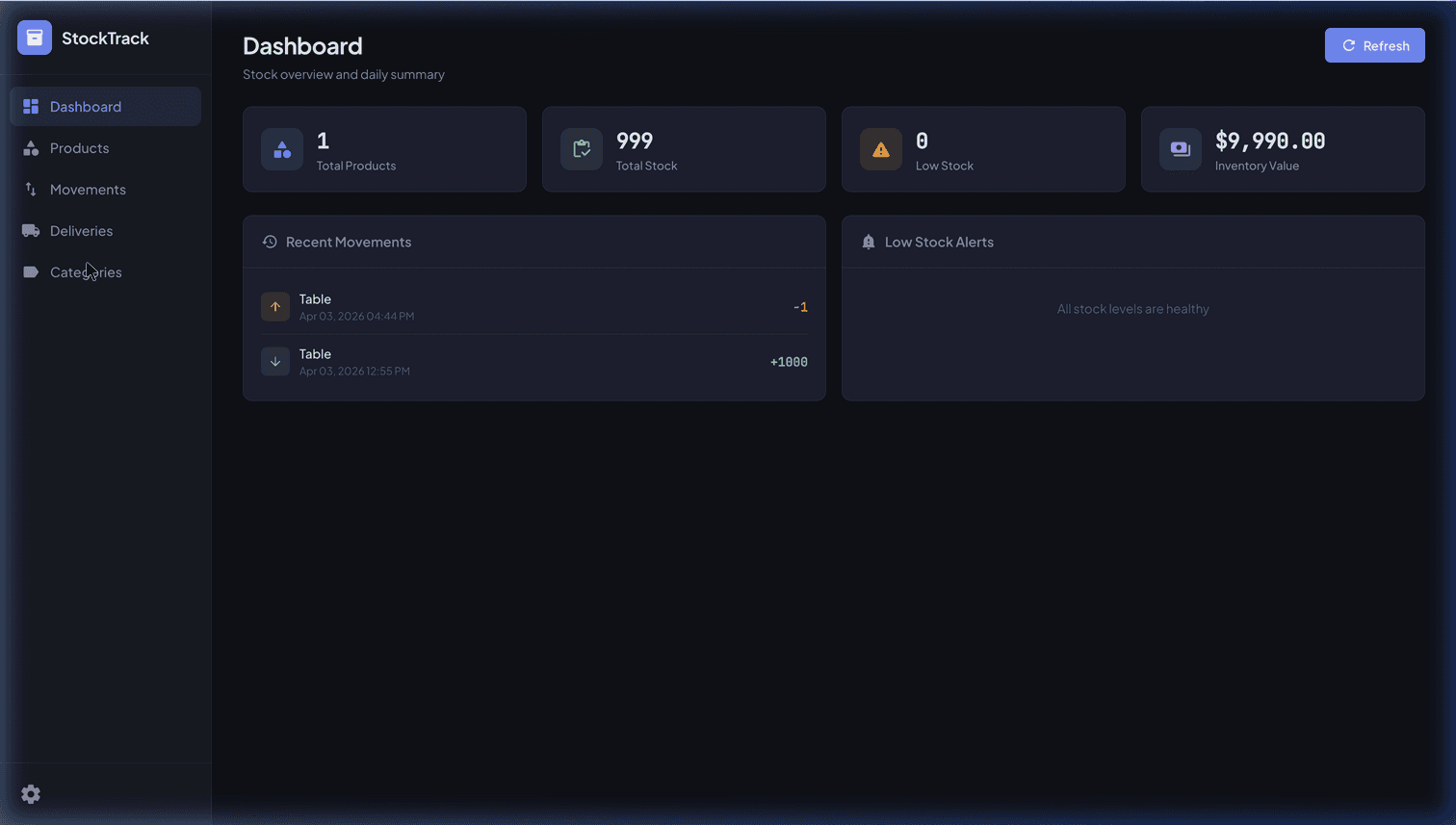
When a customer buys a $19 Inventory Tracker or a $29 starter template, Gumroad captures their verified email, name, payment method, and purchase intent flawlessly—often via one-click Apple Pay or Google Pay on mobile. No form filling. No SDR wait. No Zoom. The entire transaction takes under 30 seconds.
The buyer is now a qualified lead in a way that nobody filling out a demo form is. They've:
- Shown payment intent.
- Verified their email (Gumroad confirmed it).
- Self-selected into your topic area.
- Entered your CRM with context (what exactly they bought).
Conversion from ad-click to paid micro-commitment is typically 2-8% (20-40x better than demo-form conversion). And the micro-commitment-buyer-to-high-ticket conversion rate in the following 60 days typically lands in the 5-15% range — which means your effective ad-to-high-ticket conversion is dramatically better than the traditional funnel.
What happens next is where the automation takes over.
Engineering the Machine
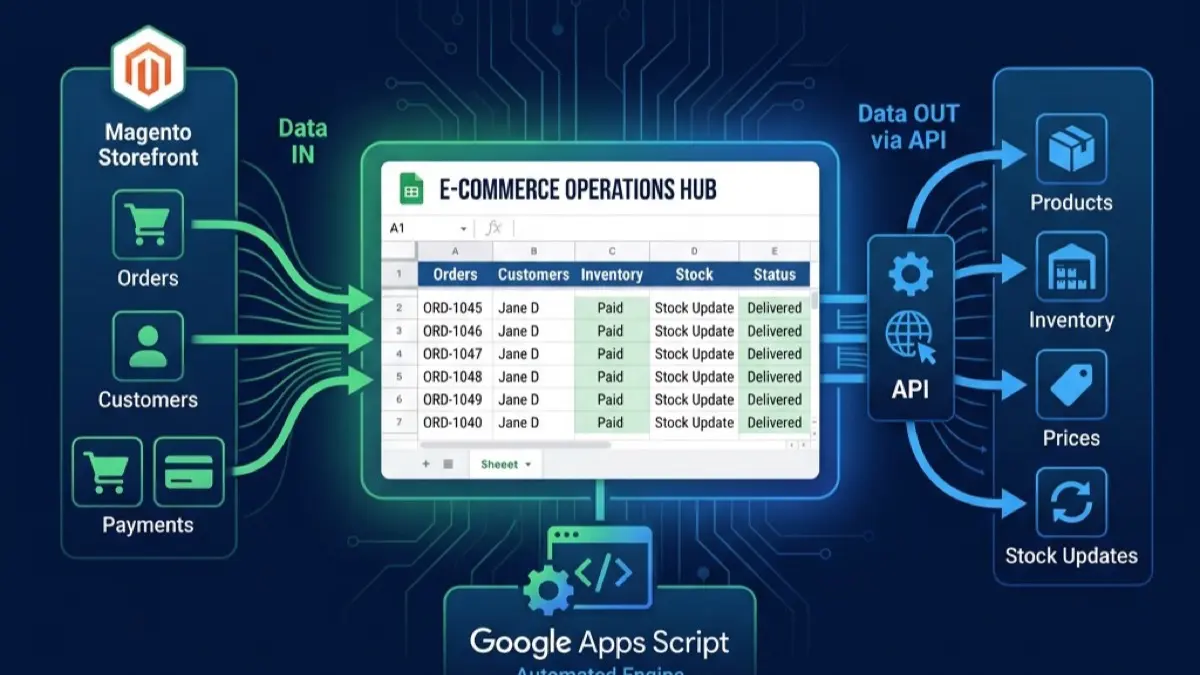
To turn a Gumroad buyer into a high-ticket client, you need an autonomous backend. Here is how modern developers architect it using Google Workspace:
1. The Ping (Webhook)
When a transaction occurs, Gumroad immediately sends an HTTP POST request (a Ping) to a designated endpoint. You can point this endpoint to a Google Apps Script Web App deployed with doPost() access — see our post on Apps Script webhooks with doGet and doPost for the receiver pattern.
The Ping arrives within seconds of the transaction. No polling, no delays, no missed events.
2. Advanced Unpacking
The Apps Script receives the JSON payload. It extracts:
- The customer's email, name, phone (if collected).
- The exact product variant they bought.
- Any custom checkout fields (e.g., "What is your company's biggest struggle?" — arguably the single most valuable data point in the entire funnel).
- The source/attribution code passed through URL variants or custom fields.
- The transaction amount, timestamp, and Gumroad purchase ID.
All of this logs to a "CRM" tab in your master Google Sheet as a new row. The row is the canonical record of this lead's entry into your funnel.
3. License Provisioning & Upselling
If the product requires a license key, the Apps Script can interact with the Gumroad License API to restrict or grant access. For digital access products (templates, Sheets, Apps Script modules), the script can additionally:
- Generate a unique license key and write it back to the customer via Gmail.
- Share a Google Drive folder or Sheet with the buyer's email automatically.
- Kick off an automated welcome sequence from your Gmail account.
Because the script now knows the customer's exact pain point (from the custom checkout field), it can trigger an incredibly personalized email sequence:
- Day 1: Welcome + product access link + quick-start guide.
- Day 3: "Hey [Name], I noticed you flagged [pain point from checkout field]. Here's how we typically solve that." Links to a case study or relevant blog post.
- Day 7: "Ready to go deeper? Our [Managed] tier handles this end-to-end for you." Soft pitch to the high-ticket offer.
- Day 14: Follow-up based on engagement (opened email? clicked link?). Those who engaged get a direct consultation offer; those who didn't get a different nurture path.
The entire sequence is Apps Script + Gmail API, zero external tooling.
4. AI-Driven Personalization (Optional)
For the upsell layer specifically, AI is where this funnel really pulls ahead of traditional drip sequences. When the Apps Script sees the custom checkout field, it can ask an LLM to generate a personalized email tailored to that specific pain point — dramatically higher open and click rates than generic templates. Cost per personalized email: under one cent. Lift on reply rate: often 2-3x.
The Magic of the Overlay
Why does this work better than Shopify or WooCommerce for digital goods? The Overlay.
Gumroad's checkout can be embedded directly onto your marketing pages or documentation via a simple JavaScript snippet. The customer never leaves your domain. Their psychological "buying state" is preserved — no context switch, no navigation away from the content that just convinced them.
This matters disproportionately on mobile, where any redirect costs you 10-30% of conversions to lost patience. The overlay is also natively responsive, so the checkout experience on a phone is as smooth as on desktop.
Attribution: Closing the Loop
The hidden superpower of this setup is full-funnel attribution. If your marketing pages append a source code to the Gumroad checkout URL (e.g., ?variants[source]=google-ads-campaign-1), the Ping forwards that code, Apps Script logs it, and you now have:
- Ad click → cost
- Micro-commitment purchase → revenue + attribution source
- Upsell conversion (measured 30-60 days later) → high-ticket revenue + original attribution source
Matching against your ad-spend Sheet gives you ROAS per campaign including the downstream high-ticket revenue, not just the first-purchase revenue. This changes how you buy ads — campaigns that look unprofitable on first-purchase ROAS are often highly profitable on full-funnel ROAS.
Common Pitfalls
- Not collecting a pain-point custom field at checkout. This is the most valuable data in the entire funnel. Always collect it.
- Generic email sequences. The AI-personalized version has 2-3x the reply rate. At under $0.01 per email, there's no reason to skip it.
- Skipping attribution tracking. Without source codes, you can't compute full-funnel ROAS and will misallocate ad spend.
- No identity resolution. If the same person buys multiple micro-commitments under different emails, identity fragmentation kills your attribution. See solving customer identity & alias pollution.
- Treating Gumroad as just a checkout. The real machine is the Apps Script pipeline that fires on every Ping. Without that, you've got a checkout and nothing else.
Getting Started
By pairing Gumroad's frictionless frontend with a deeply customized Google Apps Script backend, you create a system that captures leads, categorizes them, issues software licenses, and attempts to upsell them to higher consulting tiers—all while you sleep.
That is not just a checkout; that is an autonomous business.
Our WhatsApp AI Mini CRM handles the follow-up channel side — once a Gumroad lead comes in, you can also reach them via WhatsApp with the same personalization pattern.
Further Reading
- Apps Script webhooks with doGet and doPost — the webhook-receiver pattern underneath this funnel.
- Lead scoring autopilot in Google Workspace — scoring Gumroad buyers by upsell potential.
- Solving customer identity & alias pollution — identity resolution across multiple micro-commitment purchases.
- Automating sales commissions within Google Workspace — attributing Gumroad revenue to sales reps.
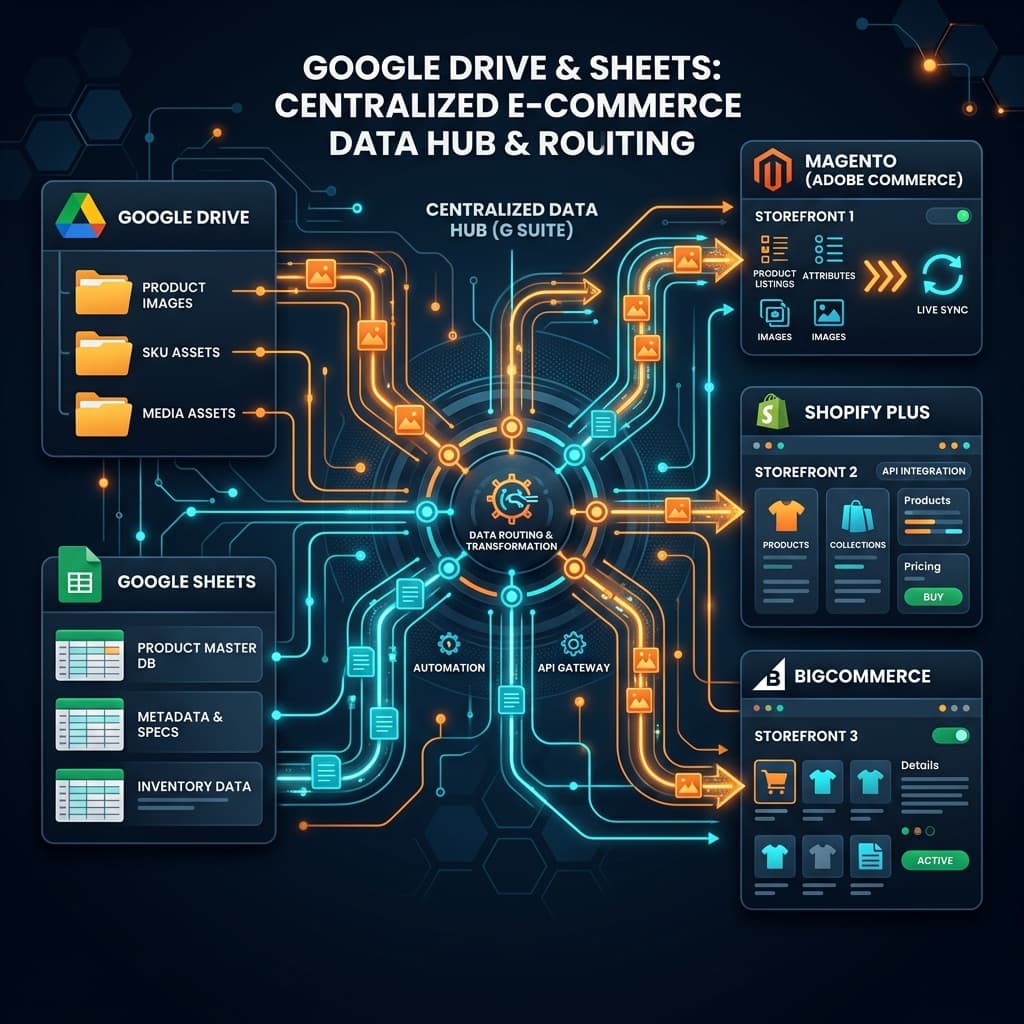
- Replacing expensive SaaS CRMs with Google Workspace — the broader "own your infrastructure" argument.
Frequently Asked Questions
What's the real conversion lift from a 'micro-commitment' product vs. a free download or demo request?
In the funnels we've instrumented, a low-cost ($9-$49) micro-commitment offer typically lifts subsequent high-ticket conversion by 3-5x compared to a free download, and 8-12x compared to a 'request a demo' form. The reason is selection: people who paid even a small amount are a qualified subset. Free downloads attract freebie-seekers with near-zero purchase intent; micro-commitments attract buyers. The paid-upgrade rate from Gumroad buyers to high-ticket consulting, in typical setups, lands around 5-15% within 60 days.
Why use Gumroad specifically — why not Stripe or LemonSqueezy?
Gumroad wins on three specific properties: (1) the overlay checkout can be embedded on any marketing page so customers never leave your domain, (2) one-click Apple Pay/Google Pay on mobile (where most traffic lives), and (3) the Ping webhook is rock-solid and simple. Stripe is more flexible and cheaper at scale but requires more checkout-building work. LemonSqueezy is competitive on tax handling (especially EU VAT). For SMB B2B lead gen where frictionless checkout matters most, Gumroad is the current default.
How do I attribute the Gumroad micro-commitment back to the marketing source that drove the click?
Pass a `variants` or custom checkout field with a UTM-like source code. Your marketing pages append the source to the Gumroad checkout URL. Gumroad forwards it in the Ping webhook. Apps Script captures the source code alongside the lead data. Match it against your ad-spend sheet and you've got a complete attribution chain from ad click → micro-commitment → high-ticket upsell. Don't rely on referrer headers alone; they're unreliable on mobile.
Can I sell digital access (licenses, subscriptions) through Gumroad and provision automatically?
Yes, via the Gumroad License API. When a customer buys, Apps Script receives the Ping, generates or reserves a license key, writes it to your master Sheet, and emails it to the customer via Gmail. On refund or cancellation, the same flow revokes the license. The pattern is ~100 lines of Apps Script total. For SaaS-style recurring subscriptions, Gumroad has native subscription support and the Ping fires on each billing cycle.
What's the end-to-end cost to run this at 500 leads/month?
Roughly: Gumroad fees at 10% of transaction value (so if your micro-commitment is $29 and you get 500, that's $1,450/month in fees from $14,500 revenue), $0-$10/month in Apps Script (usually free), $5-$20/month in Gmail API usage if you're hitting 1,500+ outbound emails (upsell sequence), and $10-$50/month in AI API usage if you're running AI-driven personalization. Total: Gumroad fees dominate; everything else is rounding error. Well under 1% margin drag for a system that captures and qualifies leads autonomously.